
Why Retail Never Sleeps: The Truth About Seasons and Next-Year Thinking
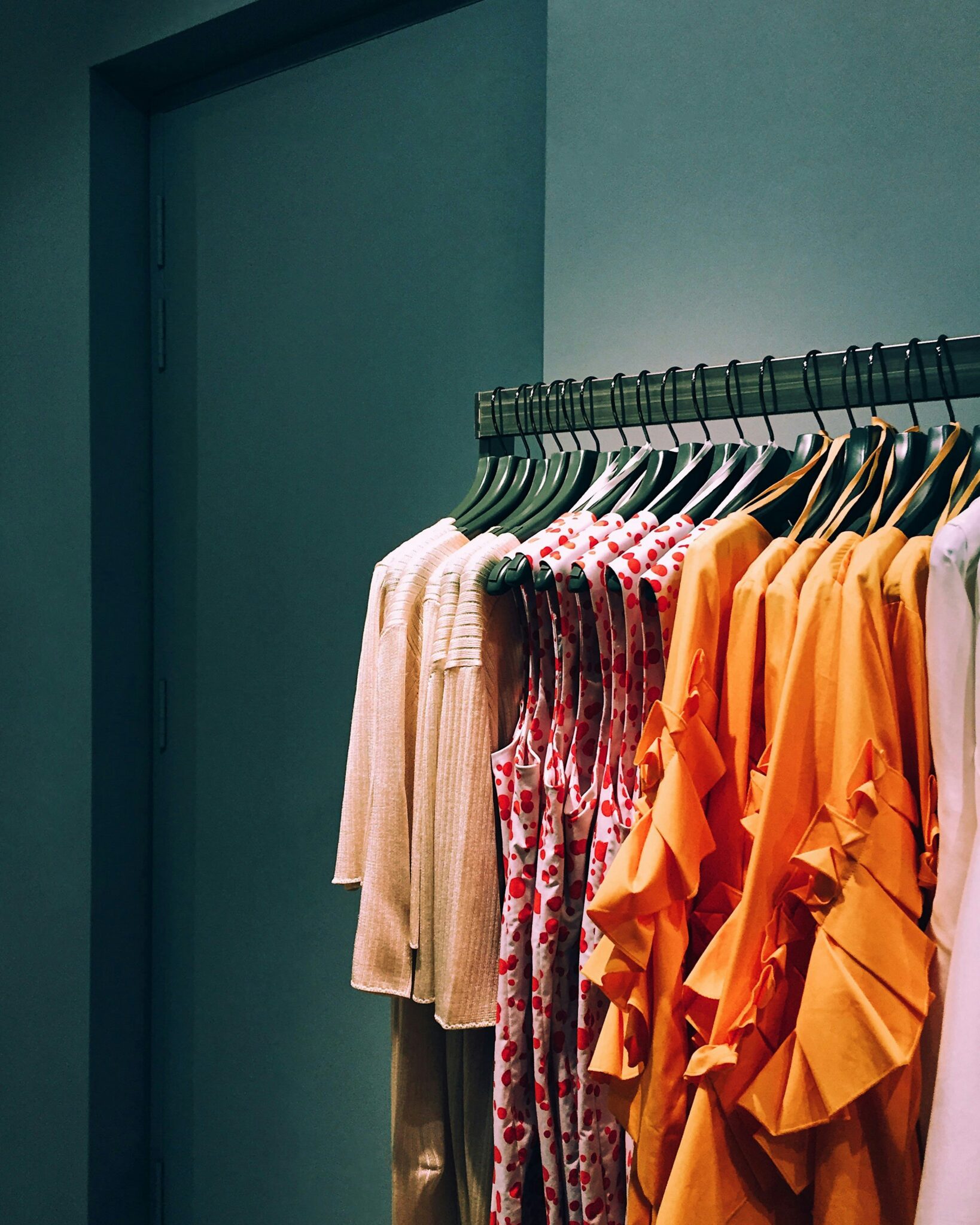
Do you know that when you walk into a store, see a new collection, and imagine wearing it this season, the buying and planning team actually prepared that collection a year earlier?
This is the reality of retail. While customers shop for today, retail teams are already building next year’s business. Through my experience as a fashion buyer and merchandise planner, I learned how much strategy, coordination, and foresight sit behind every successful collection. Below are the key things I learned and how these strategies helped me drive sales.
The Right Assortment Drives 70% of the Result
When I worked as a fashion buyer and merchandise planner, one of my core responsibilities was planning how many items we needed in each category and working with the design team to ensure the assortment matched our customers’ needs.
Beyond looking at historical data, I travelled to different countries to understand different customer behavior and observe local fashion trends. I monitored WGSN for both current and future trend forecasts and kept myself updated on other brands’ movements to ensure our next collection was not only suitable for our consumers but also aligned with broader market trends.
A strong assortment includes:
- Core essential items that drive stable volume
- Trend or seasonal pieces that attract new customers
- High-margin products that uplift profitability
With this information, I was able to confidently build a balanced and customer-centric assortment, consistently achieving year-on-year sales growth.
Data-Driven Forecasting Minimizes Lost Sales
While the design team was preparing the next collection one year in advance, I focused on forecasting how much budget we needed per category for the upcoming season. This included turnover planning, target sell-through, expected markdowns, and month-by-month sales projections.
Data played a crucial role. Historical sales figures helped me understand customer behavior: which color palette performed well, which sizes sold fastest, and which styles needed deeper buys. Monitoring lead times and delivery windows was also essential to ensure products arrived at the right moment in the season. A beautifully designed product loses impact if it arrives too late in the season.
Accurate forecasting allowed us to:
- Control purchase budgets
- Increase sell-through
- Reduce costs from leftover stock
Visual Presentation Matters More Than People Think
A well-presented collection can significantly improve sales performance, which is why I always worked closely with the visual merchandising team.
We refreshed hotspot displays every month to draw attention to the most eye-catching areas, highlighted hero products and seasonal colors in each theme, and created clear outfit pairings to encourage add-on purchases.
The increase in sales didn’t come from having more products, it came from customers noticing the right product. Visual storytelling has the power to shift customer perception instantly.
Collaboration with Store Teams Amplifies Results
As a buyer/planner, I always valued the input of front-line staff because they are closest to the customers. I held weekly meetings with store managers to review sales performance, gathered feedback on best sellers and slow movers, and understood customer comments.
Their insights helped us respond more quickly, reduce markdowns, and ensure customers received what they were looking for. When head office and stores work cohesively, the entire business becomes more efficient and customer focused.
Agility = More Sales
Fashion retail changes quickly, and agility is one of the most valuable skills I developed. I monitored weekly sales reports and reacted fast: adjusting allocations, reordering bestsellers, transferring stock between stores, or cancelling underperforming buys.
Timing is everything in fashion. Reacting early to trends can turn a good season into an exceptional one.
Buying is a strategic art. My experience as a Buyer/Planner taught me that retail success depends on the quality of upstream decisions: strategic assortment planning, data-driven forecasting, strong visual storytelling, and cross-functional collaboration. The choices we make behind the scenes ultimately shape the customer’s experience and determine the health of the business.
Retail may never sleep, but with the right strategy, it becomes a space where creativity and commercial success work hand in hand.
Words by Simin Yeung, MBA Student & WNA Intern